table of contents
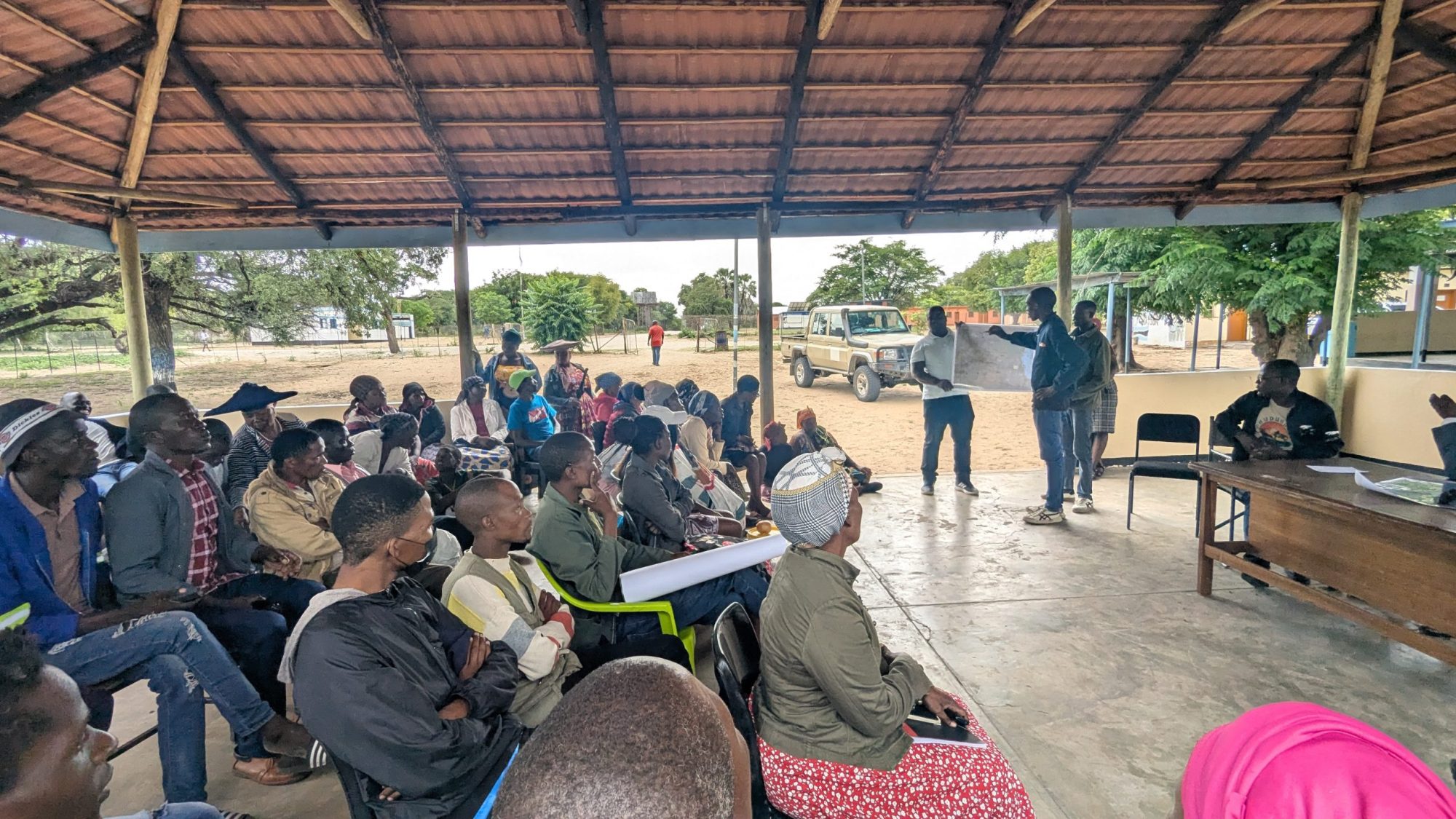
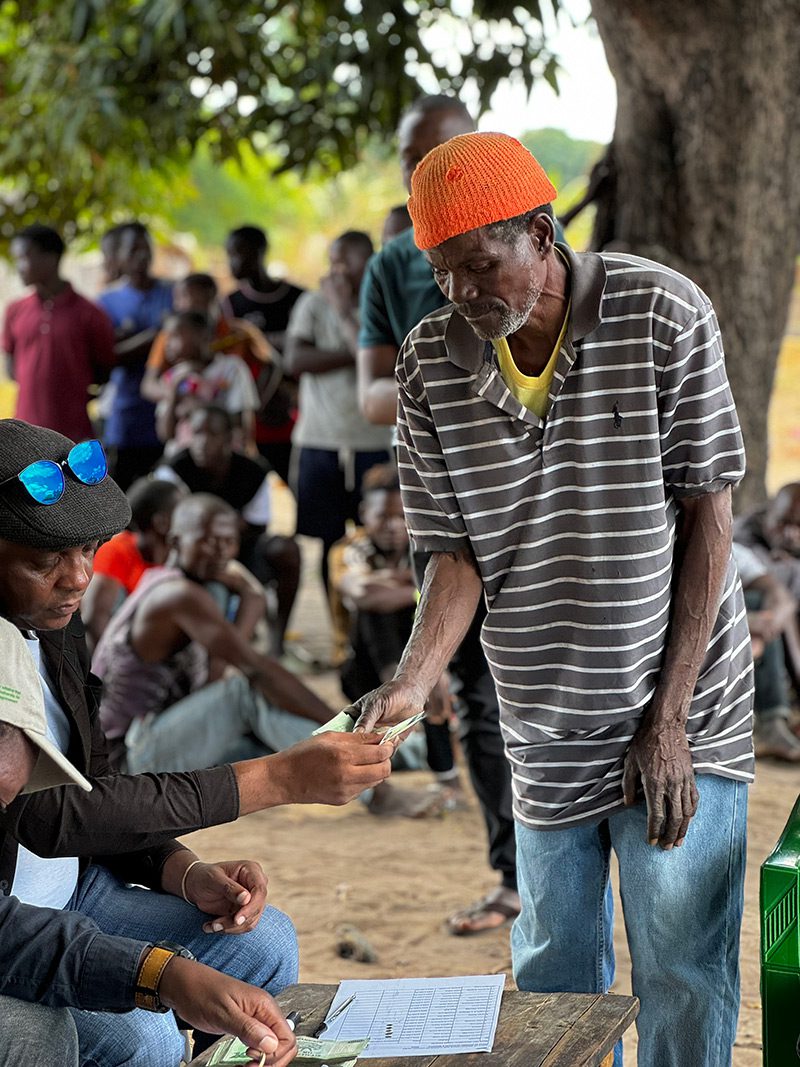
Since its establishment, Life Through Wildlife has conducted governance dashboards in more than 20 communities across Namibia, Botswana, Zambia, Mozambique, and Kenya. The survey covers approximately 100 households per community and assesses livelihoods, governance, and wildlife tolerance in detail.
Communities across very different landscapes
The emerging picture is striking in its consistency. Communities across very different landscapes and political contexts share the same basic pattern: strong support for wildlife and CBNRM, combined with deep dissatisfaction with how community conservation is actually governed. Financial transparency is low. Participation in decisions is limited. Revenue is absorbed by committees and administration rather than reaching households. And roughly 45% of households in nearly every community report moderate to serious food insecurity, yet community budgets rarely prioritise this.
The data also reveals strengths
The data also reveals strengths. Communities value wildlife and see it as central to their future, even where they bear significant costs from human-wildlife conflict. In several sites, wildlife populations have increased substantially under community management. And the willingness to engage in governance reform, once the problems are made visible through the dashboard, is strong.
LtW’s anchor site strategy
These findings are driving LtW’s anchor site strategy. The dashboard is the starting point for transformation: making the structural problems visible, opening a conversation about alternatives, and providing the evidence base for participatory budgeting and institutional reform. As the network grows, so does the comparative dataset, building one of the most detailed pictures of CBNRM governance performance available in the region.