table of contents
Botswana’s Community-Based Natural Resource Management Act, signed into law in January 2026, is a significant step. It is a first in Africa: dedicated legislation to support community conservation. It establishes a new government department with a mandate to oversee CBNRM, and it signals that the country takes community-based wildlife governance seriously.
institutional structures
But legislation alone does not solve the governance problems that communities face. The Act creates institutional structures, yet it is largely silent on the participatory governance principles that make CBNRM work in practice. It does not address how decisions should be made within communities, how financial transparency should be enforced at the village level, or how the centralised, committee-based models that have underperformed across the region should be reformed. Without clarity on these questions, there is a risk that new structures will replicate the same patterns of top-down administration that the Act was intended to address.
national Tourism Pitso
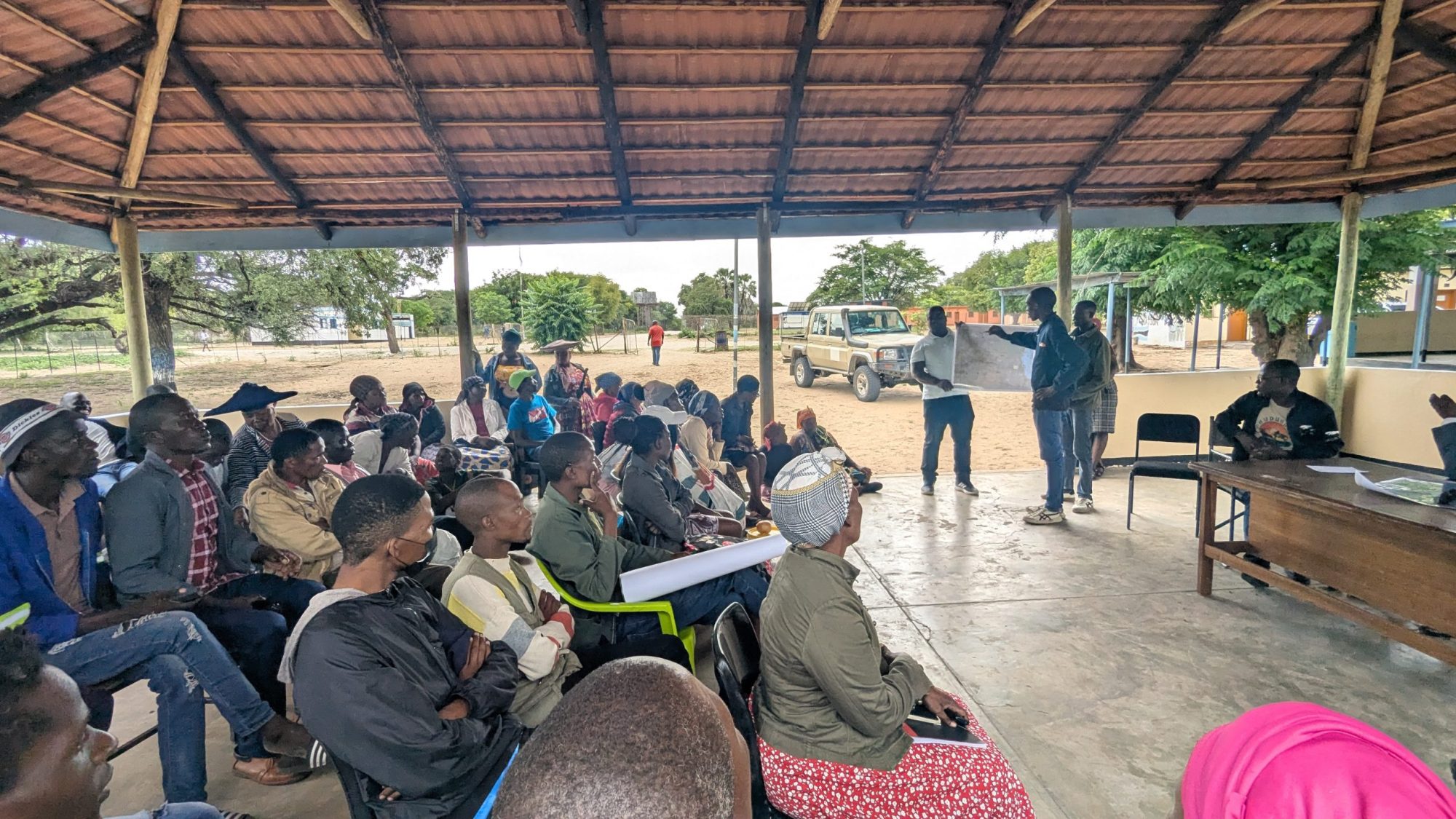
Community representatives see this clearly. At a national Tourism Pitso held shortly after the Act’s passage, delegates from ten communities noted that CBNRM and consumptive tourism had received inadequate attention in national policy discussions. They called for the formation of a national CBNRM association to represent their collective interests, strengthen governance standards, and give communities a direct voice in how the new legislation is implemented.
Community Leaders Network
Life Through Wildlife is supporting this initiative in partnership with the Community Leaders Network. The focus is on building an association that holds its own members to voluntary standards of participatory governance, financial accountability, and community benefit, while advocating for the enabling conditions that allow CBNRM to deliver on its promise.